How To Know If You Have Melanoma Skin Cancer / What You Must Know About Melanoma Skin Cancer Jacqueline / It's the only way to know whether you have skin cancer.. Another factor that influences how long a person can have skin cancer and not know it is where they live. When this skin cancer develops on a foot, you may see the abcdes of melanoma, but it's also possible for a melanoma to have different features. New or numerous large moles. A history of intense sun exposure as a young person and painful or blistering sunburns. A family history of skin cancer.
In fact, over the past three decades, more people have been diagnosed with some form of skin cancer than all other cancers combined. A family history of skin cancer. It's the only way to know whether you have skin cancer. A mole that changes in size, color or shape. After it was removed, a doctor looked at the spot under a microscope to find out if it contained cancer cells.
Skin Cancer Signs Symptoms And Complications from www.verywellhealth.com When this skin cancer develops on a foot, you may see the abcdes of melanoma, but it's also possible for a melanoma to have different features. You should have a skin examination by a doctor if you have any of the following: To diagnose melanoma, a dermatologist biopsies the suspicious tissue and sends it to a lab, where a dermatopathologist determines whether cancer cells are present. Any change in size, shape, color or elevation of a spot on your skin, or any new symptom in it, such as bleeding, itching or crusting, may be a warning sign of melanoma. In fact, over the past three decades, more people have been diagnosed with some form of skin cancer than all other cancers combined. Another factor that influences how long a person can have skin cancer and not know it is where they live. There's no other way to know for sure. If you notice these warning signs, or anything new, changing or unusual on your skin see a dermatologist promptly.
A family history of skin cancer.
In fact, over the past three decades, more people have been diagnosed with some form of skin cancer than all other cancers combined. Otherwise, your surgeon will remove the cancer as well as a border of normal skin and a layer of tissue beneath the skin. If melanoma is found, other tests may be done to find out if it has spread to other areas of the body. Melanoma, along with squamous cell carcinoma, can also pop up internally, including within the genitals, mouth, nose and lungs. Many cases of melanoma can be prevented. Hard or swollen lymph nodes. Yes, melanoma can grow in the pupils and go unnoticed for long periods of time. It's the only way to know whether you have skin cancer. There's no other way to know for sure. But it can be difficult to comprehend just how big a difference early detection makes with melanoma, the most dangerous form of skin cancer. What your dermatologist removes will be looked at under a microscope. Hard lumps in your skin shortness of breath, chest pain, noisy breathing or a cough that won't go away Few people will have a positive genetic test
Yes, melanoma can grow in the pupils and go unnoticed for long periods of time. You might already know that catching a cancer early means a more favorable prognosis. If you have stage 4 melanoma, your skin tumor may or may not be broken and bleeding. You should have a skin examination by a doctor if you have any of the following: Medical history and physical exam
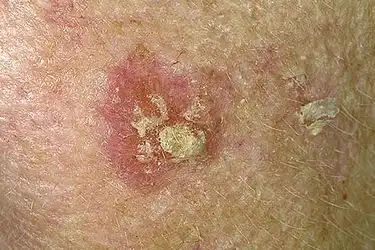
Skin Cancer Photos What Skin Cancer Precancerous Lesions Look Like from img.webmd.com Use the abcde rule to look for some of the common signs of melanoma, one of the deadliest forms of skin cancer: Few people will have a positive genetic test Possible signs and symptoms of melanoma the most important warning sign of melanoma is a new spot on the skin or a spot that is changing in size, shape, or color. We do know that people who have had melanoma are at higher risk for developing another melanoma or other type of skin cancer. A personal history of skin cancer or atypical moles (nevi). Otherwise, your surgeon will remove the cancer as well as a border of normal skin and a layer of tissue beneath the skin. Melanoma, the most serious type of skin cancer, develops in the cells (melanocytes) that produce melanin—the pigment that gives your skin its color. There's no other way to know for sure.
You might already know that catching a cancer early means a more favorable prognosis.
The report might also mention how quickly the cancer cells are dividing and whether you have any. Any change in size, shape, color or elevation of a spot on your skin, or any new symptom in it, such as bleeding, itching or crusting, may be a warning sign of melanoma. We do know that people who have had melanoma are at higher risk for developing another melanoma or other type of skin cancer. A history of intense sun exposure as a young person and painful or blistering sunburns. Cancer cells can spread to other parts of the body and grow there. This biopsy was taken when you had part (or all) of the suspicious spot removed. Melanoma can also form in your eyes and, rarely, in internal organs, such as your intestines. You can have melanoma without feeling any pain or discomfort. After it was removed, a doctor looked at the spot under a microscope to find out if it contained cancer cells. If the melanoma is less than 1 millimeter thick, it's less likely to have spread than a thicker one. In fact, over the past three decades, more people have been diagnosed with some form of skin cancer than all other cancers combined. This is currently the only way to tell if someone has skin cancer. A personal history of skin cancer or atypical moles (nevi).
Before getting a genetic test for melanoma, here are some facts you should know. For this reason, today we are going to discuss the signs, symptoms and risk factors to help you identify any issues in the early stages when treatment can be more successful. Fair skin, light eyes and blonde or red hair skin that burns or freckles easily If you've been diagnosed with melanoma, you've already had a skin biopsy. Hard or swollen lymph nodes.
What Are The Signs And Symptoms Of Melanoma Skin Cancer Melanoma Wikipedia If A Spot On from www.kailosgenetics.com It is typically found on the palms of the hands, soles of the feet, or even under the nails. When this skin cancer develops on a foot, you may see the abcdes of melanoma, but it's also possible for a melanoma to have different features. If you have stage 4 melanoma, your skin tumor may or may not be broken and bleeding. Before getting a genetic test for melanoma, here are some facts you should know. For this reason, today we are going to discuss the signs, symptoms and risk factors to help you identify any issues in the early stages when treatment can be more successful. Medical history and physical exam This biopsy was taken when you had part (or all) of the suspicious spot removed. For many people, the only sign of this skin cancer is a spot that has some of the abcdes of melanoma or a line beneath a nail.
When cancer cells do this, it's called metastasis.
This biopsy was taken when you had part (or all) of the suspicious spot removed. Few people will have a positive genetic test If the melanoma is less than 1 millimeter thick, it's less likely to have spread than a thicker one. Melanoma, an aggressive form of skin cancer, is the deadliest type. To diagnose melanoma, a dermatologist biopsies the suspicious tissue and sends it to a lab, where a dermatopathologist determines whether cancer cells are present. A family history of skin cancer. To protect yourself and your loved ones here is all you need to know about the deadly melanoma skin cancer. The doctor who examines the removed skin will look for cancer cells. Melanoma can also form in your eyes and, rarely, in internal organs, such as your intestines. Hard or swollen lymph nodes. If you have an abnormal area on your skin that might be cancer, your doctor will examine it and might do tests to find out if it is melanoma, another type of skin cancer, or some other skin condition. Fair skin, light eyes and blonde or red hair skin that burns or freckles easily After it was removed, a doctor looked at the spot under a microscope to find out if it contained cancer cells.